

Advocacy
Advocacy at Open Doors Education ensures students and families are genuinely seen, heard, and supported while systems evolve toward equitable practice. We partner with families to navigate documentation, legal requirements, and effective communication so needs are clearly understood and appropriately addressed. We also advocate within school systems for inclusive, future-focused structures and instruction, aligning diverse perspectives to create lasting, meaningful access and success.
Student Teams
Aligning Systems. Strengthening Decisions. Improving Outcomes.
Student Support Teams are responsible for some of the most important decisions in a school—how students with IEPs and 504 Plans are supported, how interventions are delivered, and how teams work together within MTSS, UDL, and SDI frameworks. Our non-legal advocacy services are designed to strengthen how teams function—so decisions are clearer, supports are aligned, and students experience consistent, high-quality instruction across settings.
What We Mean by Advocacy
Our approach to advocacy is system-centered and collaborative.
✔ Focused on improving team decisions and systems
✔ Grounded in MTSS, UDL, SDI, and IDEA-aligned practices
✔ Designed to support—not replace—school teams
✔ Non-legal, non-adversarial, and non-representational
-
We guide Student Support Teams in making decisions that stay grounded in student needs, strengths, and data—not just compliance requirements. Using structured facilitation protocols, we help teams move from discussion to clear, actionable next steps. This improves consistency, clarity, and confidence in team decisions. Over time, teams develop stronger internal decision-making practices.
-
We support teams in using the right data to make informed decisions. This includes identifying key metrics, interpreting progress monitoring, and aligning MTSS and IEP data. Teams learn how to avoid “data overload” and focus on what actually drives decisions. The result is more accurate identification of needs and more effective intervention planning.
-
We help teams shift from reactive to proactive support by strengthening Tier 1 and Tier 2 systems. This reduces unnecessary referrals while ensuring students receive timely support. Teams learn how to identify needs earlier and respond more effectively. This improves student outcomes and reduces long-term system strain.
-
We redesign how Student Support Team meetings are structured and facilitated. Teams learn to focus on high-impact discussions and actionable outcomes. Clear agendas, roles, and decision protocols improve efficiency. Meetings become more productive, consistent, and easier to manage.
-
We ensure that IEPs and 504 Plans are fully integrated into MTSS—not treated as separate systems. Teams learn how to align individualized supports with Tier 1, Tier 2, and Tier 3 instruction and interventions. This reduces duplication, service gaps, and confusion across providers. The result is a more cohesive and efficient support system for students.
-
We help teams ensure that planned supports are consistently implemented across classrooms and providers. This includes accommodations, SDI, and intervention fidelity. We identify where breakdowns occur between planning and execution and provide solutions to improve consistency. This increases reliability without adding unnecessary workload.
-
We support teams in aligning academic, behavioral, and social-emotional supports. This includes integrating behavior plans (BIPs) with instructional practices. Teams develop a more complete understanding of student needs. The result is more effective, consistent support for the whole child.
-
We help teams plan for transitions between grades, programs, and service levels. This ensures continuity of supports and minimizes disruption. Teams anticipate challenges and align services ahead of time. Students experience smoother transitions and sustained progress.
-
We help teams evaluate whether students have meaningful access to general education environments and instruction. Using UDL-aligned strategies, we identify barriers and recommend practical adjustments that increase participation. This supports stronger inclusion in the least restrictive environment (LRE). The focus is on access, engagement, and maintaining high expectations.
-
We strengthen collaboration across general education, special education, and related service providers. Teams clarify roles, align instructional strategies, and improve communication. This reduces fragmentation and conflicting approaches to student support. The result is a more unified, efficient team structure.
-
We help teams improve how they communicate and collaborate with families. This includes building clarity, consistency, and trust in everyday interactions. The focus is on strengthening relationships—not advocacy or representation. Stronger family partnerships lead to better alignment and student outcomes.
-
We support teams in ongoing reflection and improvement across MTSS, UDL, and IEP implementation. This includes identifying patterns, gaps, and opportunities for refinement. Teams build systems that evolve and improve over time. The result is sustainable, high-functioning support systems.
Families & Caregivers

-
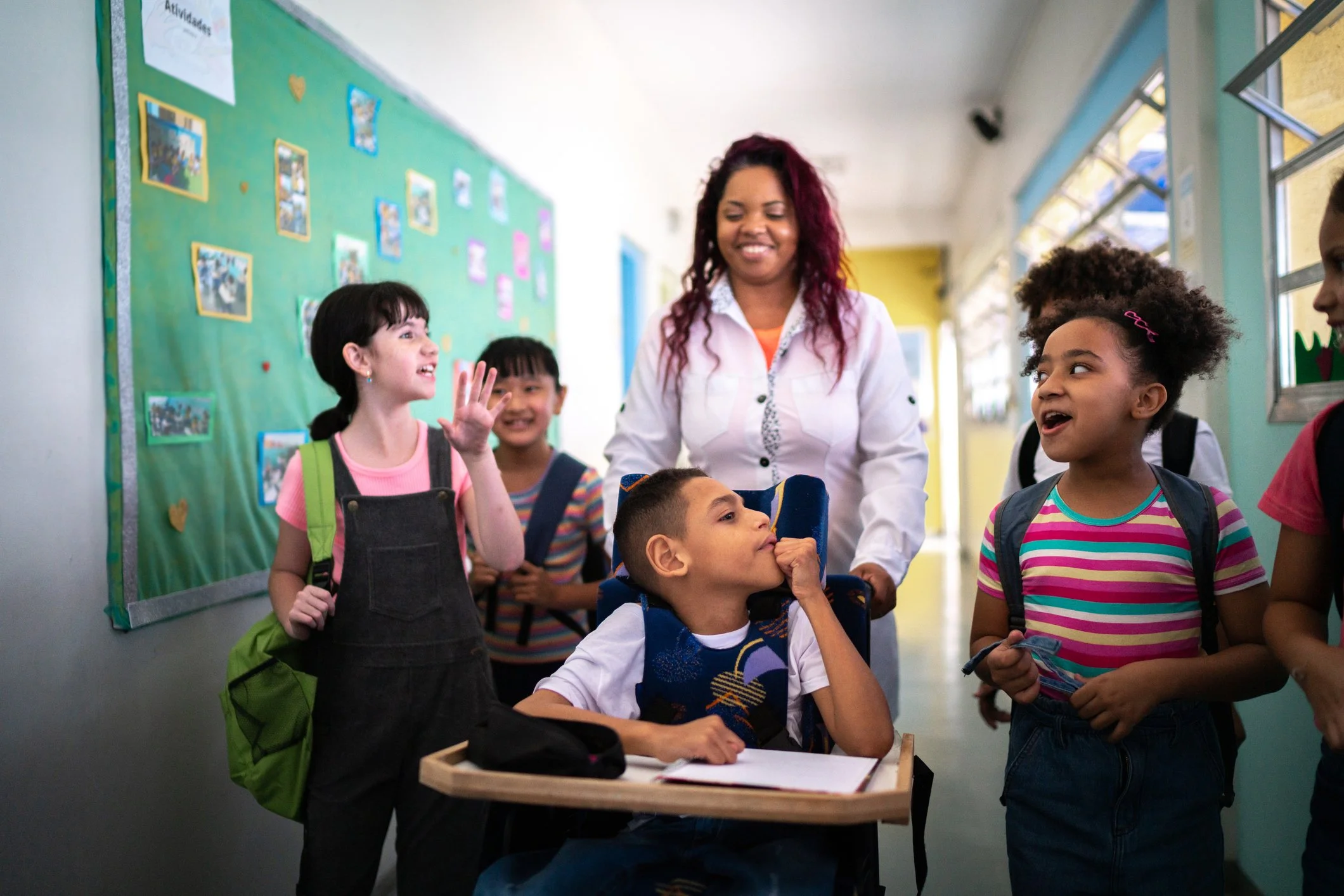
Provides guidance and preparation for IEP meetings so families can participate confidently, understand recommendations, and ensure student needs are clearly represented.
-
Supports families in requesting evaluations, understanding eligibility decisions, and ensuring assessments reflect the full range of student needs.
-
Helps families review IEPs, accommodations, and services to ensure plans are meaningful, appropriate, and aligned with student strengths and goals.
-
Guides families through problem-solving processes when disagreements arise regarding services, placements, or supports, focusing on constructive collaboration.
-
Supports families in planning for key educational transitions, including middle school, high school, and postsecondary pathways.
-
Helps families identify and access school-based and community resources that support student development and independence.
-
Encourages and supports student participation in planning meetings so their goals, interests, and perspectives are included in decision-making.

Let’s Work Together

If you're interested in working with us, complete the form with a few details about your project. We'll review your message and get back to you within the next business day.